




Description
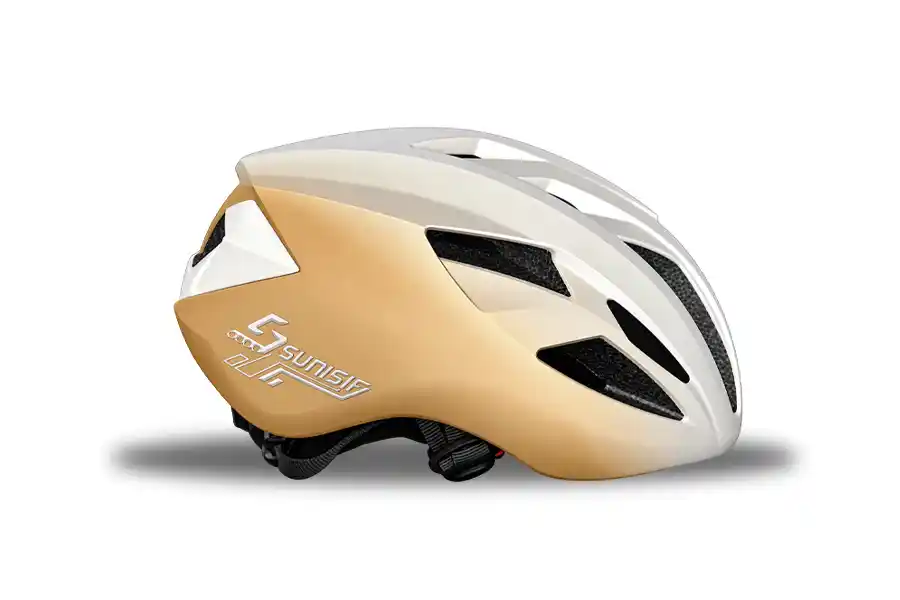
FT Sunisif Speed Skating Helmet | Professional Skating and Inline Helmet
The FT Sunisif speed skating helmet is an important piece of equipment for skaters looking for a combination of safety, comfort, good ventilation, and a sporty design during training, speed skating, inline skating, and other wheeled sports.
Its aerodynamic design, elongated shape, and multiple ventilation openings set it apart from ordinary helmets and make it an appealing option for high-speed sports.
Why is wearing a helmet important in speed skating?
Speed skating is a relatively fast sport, despite how it may appear at first glance. While moving, changing direction, braking, or losing balance, there is a risk of falling—and the head is one of the most important areas to protect.
For this reason, a helmet should be part of a skater’s essential equipment, not an accessory.
Some skating competition rules also require the use of an appropriate safety helmet. For example, Special Olympics rules for speed-skating competitions require helmets that meet specified safety standards. (Special Olympics)
Therefore, when buying a speed skating helmet, the product’s appearance should not be the only selection criterion. Factors such as a proper fit, retention system, ventilation, and safety certification are also important.
FT Sunisif helmet design
One notable feature of this helmet is its design.
Its shell has a relatively elongated shape and smooth lines, intended to give it a professional appearance while fitting the skater’s head shape and posture in motion.
Several ventilation openings are also visible on the shell, helping air circulate.
This is especially important during long training sessions: speed skating involves intense physical activity, which increases heat and perspiration, and proper ventilation can make the athlete more comfortable.
In professional speed-skating helmets, low weight, ventilation, aerodynamic design, and a proper fit are also considered important features. For example, specialist helmets from well-known brands in this field are designed with these same features in mind.
Aerodynamic design: Why does it matter in speed skating?
In speed skating, air resistance becomes more important as speed increases. For this reason, helmets designed for the sport are usually more elongated and streamlined than recreational helmets.
The FT Sunisif helmet follows the same approach, and its appearance is closer to Speed Skating and Racing helmets than to bulky recreational helmets.
However, a distinction should be made between “aerodynamic design” and “proven reduction in air resistance.” Without wind-tunnel testing or official engineering data, it is not possible to state a specific percentage reduction in drag for this model.
Helmet adjustment system and fit
When buying a skating helmet, one of the most important considerations is not just its size, but how it sits on your head.
A suitable helmet should:
- Not move excessively on your head.
- Stay in place while you are moving.
- Not sit too low or too high at the front.
- Have a chin strap that can be adjusted correctly.
- Not create excessive pressure while you are moving.
Good ventilation for long training sessions
A skating helmet should provide ventilation as well as protection.
The openings on the FT Sunisif helmet help air circulate around the head, and its design is intended for athletic activity.
This feature is especially important for people who:
- Have long training sessions,
- Practice speed skating,
- Skate outdoors, or
- Train in warm weather.
Ventilation is also an important design element in specialist Speed Skating helmets. Some professional models use numerous ventilation channels to balance airflow and aerodynamics.
Who is the FT Sunisif helmet suitable for?
This helmet may be a suitable choice for different groups of skaters:
Speed skaters
If your focus is Inline Speed Skating and speed training, this model’s design is well suited to the appearance and shape of speed helmets.
Professional and semi-professional skaters
People who train regularly generally need a helmet that is comfortable over long periods, in addition to providing safety.
Recreational skaters
Wearing a safety helmet is also very important for people who skate recreationally.
Difference between speed skating helmets and ordinary helmets
Speed skating helmets are generally designed with fast movement in mind.
| Feature | Ordinary helmet | Speed skating helmet |
|---|---|---|
| Design | General-purpose | Sporty and speed-oriented |
| Shell shape | Usually bulkier | More elongated and aerodynamic |
| Ventilation | Depends on the model | Highly important |
| Weight | Varies | Usually lighter in specialist models |
| Use | General use | Speed skating and training |
| Appearance | General-purpose | Racing / Sport |
| Fit | Important | Very important |
However, whether a helmet is “lighter” or “safer” cannot be determined from its appearance alone. The manufacturer’s official specifications should be checked for each model.
FT Sunisif skating helmet in several colors
One advantage of this product for the store is its range of colors.
The model shown in the image is designed in a red-and-black combination, as well as a white-and-gold combination. Other colors are also available for this helmet.
Is the FT Sunisif helmet only for speed skating?
No. This type of helmet may be used for different skating activities; however, the safety standard and intended use confirmed by the manufacturer should be taken into account.
For example, some helmets on the market are specifically described as suitable for Speed Skating and Cycling, while other models are certified for only one sport.
Therefore, for the FT Sunisif, it is better to state on the product page:
Suitable for skating and sports training, subject to the product’s official specifications and standards.
Unless we have documentation from the manufacturer, we should not claim that this model meets CE, EN1078, CPSC, or ASTM standards.
Important points when buying a skating helmet
Before buying a professional skating helmet, consider the following:
1. Head size
Measure your head circumference with a soft measuring tape and compare it with the size chart for that product.
2. Helmet fit
The helmet should not be loose. If it moves excessively when you shake your head, that may indicate a poor fit.
3. Chin strap
The page text cuts off here, so the remainder of this section is not available in the retrieved content.

Reviews
There are no reviews yet.